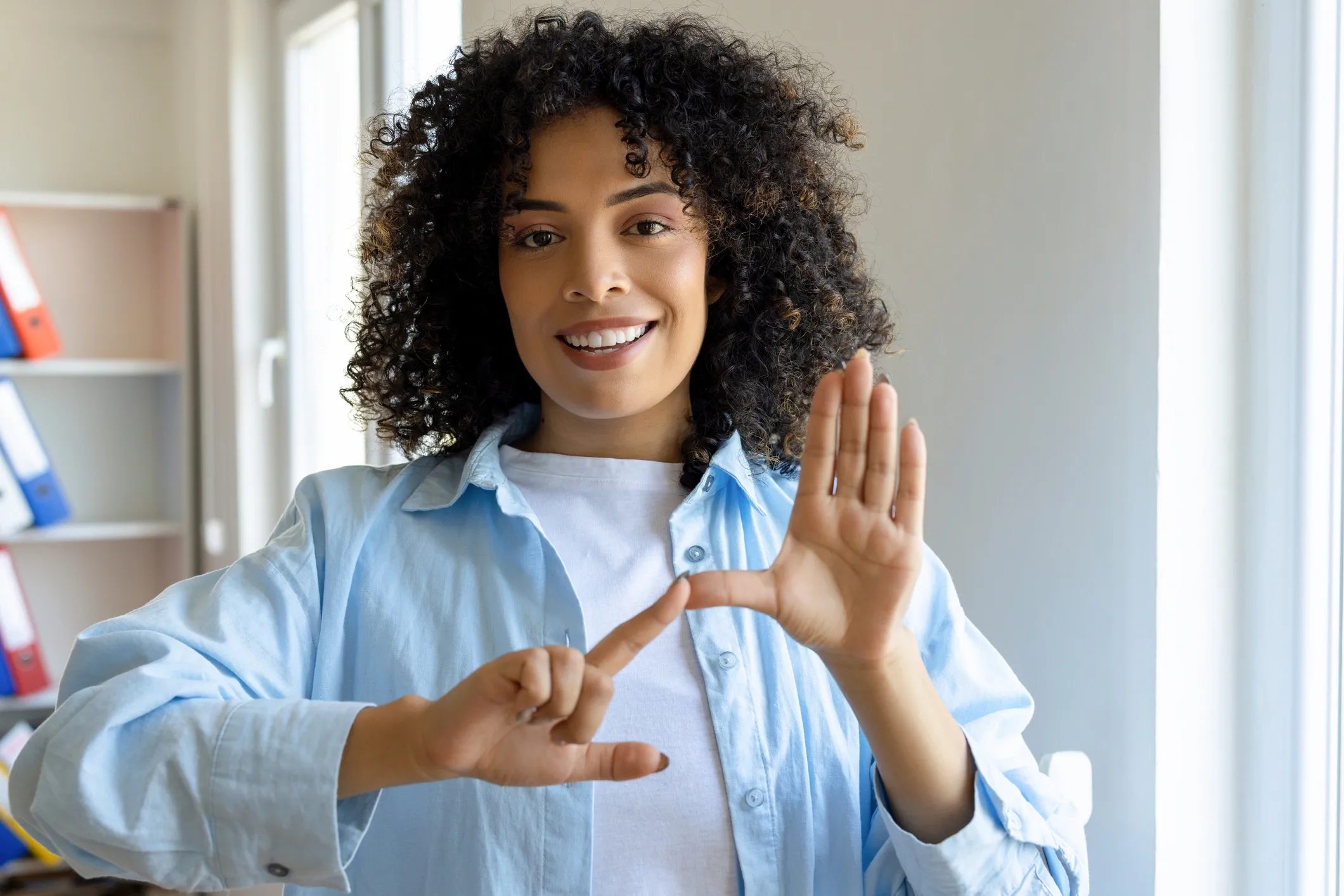
What deaf dating Really Means
deaf dating is not a narrow label or a small corner of online dating. It is a practical search for connection where access needs, lived experience, attraction, emotional readiness, and long-term compatibility are all allowed to matter. For deaf singles, hard-of-hearing singles, and partners who respect Deaf culture, dating works best when the conversation is honest without becoming clinical, hopeful without becoming naive, and personal without asking anyone to perform their diagnosis for strangers.
Many mainstream dating apps make disability feel like an awkward disclosure problem. A stronger approach is to treat disability dating as ordinary dating with better context. People still care about chemistry, humor, values, family goals, lifestyle, intimacy, communication style, and shared interests. The difference is that accessibility, fatigue, mobility, sensory needs, medical routines, or social assumptions may also shape the dating experience, and those realities deserve respect from the beginning.
Why People Search for deaf dating
People search for deaf dating because they want to avoid explaining the same basics over and over. They may want a partner who understands accessible date planning, flexible timing, transportation, assistive technology, body confidence, or the emotional side of being seen as a whole person. Some are disabled singles looking for someone with similar experience. Others are disability-friendly singles who want to date respectfully and learn well.
The best dating experiences happen when both people can be curious without being invasive. A thoughtful match does not reduce anyone to a condition, a device, a scar, a chair, a cane, hearing aids, a prosthetic, height, pain, fatigue, speech pattern, or diagnosis. Instead, the relationship has room for personality first, with disability discussed as part of real life rather than as a test to pass.
Building a Profile That Attracts the Right People
A strong profile for deaf dating should feel warm, specific, and grounded. Mention the parts of your life that make dating you enjoyable: your weekend rhythm, favorite food, creative interests, faith, travel style, pets, work, music, humor, or the kind of conversation that keeps you awake too late. If disability affects dating logistics, say it simply and confidently. The goal is not to apologize; the goal is to give the right person useful context.
Photos matter because they communicate confidence and lifestyle. Use clear images where your face is visible, include at least one full-body or real-life photo if you are comfortable, and avoid hiding so much that meeting in person creates anxiety. In disability dating, honesty often filters out poor matches early and attracts people who are emotionally mature enough for a real connection.
Disclosure, Boundaries, and Timing
There is no universal rule for when to disclose every detail. Some people mention disability directly in the profile because it saves time and reduces stress. Others prefer to establish a little rapport before discussing specifics. Either can be healthy. What matters is that disclosure happens on your terms, with enough information for safe, respectful dating, and without giving strangers unlimited access to private medical history.
Boundaries are part of attraction. You can answer genuine questions while declining curiosity that feels objectifying. You can say, 'I am comfortable talking about how this affects dating logistics, but I do not get into medical details right away.' A good partner will not punish you for protecting your privacy. In fact, the ability to respect boundaries is one of the clearest signs of dating readiness.
Planning Accessible and Enjoyable Dates
A good first date is not only about romance; it is about reducing avoidable stress so chemistry can show up. For deaf dating, that may mean checking ramps, parking, seating, lighting, noise levels, restroom access, walking distance, rest breaks, captioning, menu readability, transportation, or backup plans. Accessibility planning is not unromantic. It is a form of care, and it can make the date feel smoother for both people.
The best date ideas are flexible: coffee with accessible seating, a quiet museum, a park path with benches, a video chat before meeting, a relaxed lunch, a bookstore, a community event, or a familiar place where the disabled partner already feels comfortable. Thoughtful planning says, 'I want to meet you in a way that works for you,' and that message is attractive.
Emotional Safety and Red Flags
Emotional safety is especially important in disabled dating because many singles have experienced ableism, fetishization, pity, disbelief, or pressure to educate others. Red flags include someone who calls you inspiring before knowing you, ignores access needs, pushes for medical details, treats boundaries as rejection, makes jokes at your expense, or assumes they deserve praise for being willing to date a disabled person.
Green flags are easier to feel: consistency, patience, direct communication, curiosity without entitlement, respect for independence, and willingness to adapt. A healthy partner asks what works, believes your answer, and does not make accessibility feel like a burden. Attraction grows when both people feel free rather than evaluated.
Communication That Deepens Connection
Strong relationships are built through repeatable communication, not perfect first impressions. Talk about pacing, energy, touch, public attention, transportation, support needs, intimacy, family expectations, and how each person handles stress. These conversations do not need to happen all at once. They can unfold naturally as trust grows, but avoiding them forever often creates confusion.
For deaf singles, hard-of-hearing singles, and partners who respect Deaf culture, communication can also include practical scripts: 'I would love to go, but that venue is not accessible for me,' or 'I can do Saturday if we keep it low-key,' or 'I like when someone asks before helping.' Clear language gives a caring partner something useful to respond to, and it protects the disabled person from feeling as if they must silently manage everything.
Dating Confidence and Self-Worth
Confidence in deaf dating is not pretending nothing is difficult. It is knowing that difficulty does not make you less lovable. Many disabled singles carry old messages from inaccessible spaces, awkward dates, family worry, or people who confused disability with limitation. Dating can stir those messages up, but it can also rewrite them through better experiences.
You do not have to be fully healed, perfectly independent, endlessly positive, or inspirational to deserve love. You can be complicated, funny, tired, ambitious, cautious, romantic, practical, disabled, desirable, and still figuring things out. The right person does not need a polished performance. They need honesty, mutual effort, and a real invitation into your life.
Long-Term Compatibility
A lasting relationship asks bigger questions than a good profile does. How do you handle money, family, caregiving boundaries, independence, relocation, sex, rest, faith, conflict, and future health changes? In deaf dating, these questions may arrive earlier than they do for some couples, but early clarity can be a strength. It helps both people decide whether they are building the same kind of life.
Compatibility is not the same as sameness. A disabled person and a non-disabled partner can build a strong relationship when both respect autonomy and communicate openly. Two disabled partners can also share a powerful sense of understanding while still having different access needs. What matters is whether both people are willing to keep learning each other with kindness.
FAQ About deaf dating
Is this only for disabled singles?
No. Many people interested in disability dating are disabled singles, while others are respectful, disability-friendly singles who value inclusive relationships and want to date with awareness.
Should I mention disability in my profile?
Mention what feels useful and safe. Many people find that clear, confident disclosure saves time and attracts better matches, but private medical details can wait until trust develops.
What makes a good first message?
Start with a real detail from the profile. Avoid medical questions, pity, or compliments that center disability. Warmth, humor, and normal curiosity work better.
How do I plan an accessible date?
Ask preferences, check venue access, choose flexible timing, and have a backup plan. Accessibility is part of good dating manners, not a special favor.
How to Make Better Matches Over Time
A better match often comes from small improvements repeated over time. Rewrite your profile when your life changes, update photos when they no longer feel like you, and pay attention to the messages that lead to comfortable conversations. If the same misunderstanding keeps happening, your profile may need one clearer sentence about access, pacing, communication style, or what kind of partner you are hoping to meet.
Search behavior matters too. Instead of only looking for the most polished profile, look for evidence of kindness, consistency, self-awareness, and curiosity. Someone who asks practical questions respectfully is often more promising than someone who offers dramatic compliments but avoids real planning. In inclusive dating, emotional reliability is attractive because it creates room for chemistry to grow without constant stress.
It also helps to think beyond the first date. Notice whether a person follows through, remembers details, respects access needs without making them the whole story, and can talk about ordinary life as well as disability. A relationship becomes sustainable when both people can be romantic and practical at the same time. That balance is what turns a promising match into a real partnership.
What Respect Looks Like in Practice
Respect is not vague politeness. It shows up when someone asks before helping, believes your description of your own body, chooses accessible plans without resentment, and does not treat your disability as public property. It also shows up when they are willing to be corrected. Nobody knows everything on a first date, but a mature partner can learn without becoming defensive.
Respect also includes attraction. Disabled singles do not want to be tolerated; they want to be wanted. A healthy relationship makes space for desire, flirting, humor, vulnerability, and ordinary couple life. The best partners do not erase disability, but they also do not make it the only interesting thing about a person. They see the full human being: personality, ambition, tenderness, opinions, flaws, boundaries, and joy.
When you date from that standard, you become more selective in a healthy way. You stop trying to convince the wrong people and start recognizing the right ones earlier. That shift is powerful for anyone dating with a disability, because it changes the question from 'Will someone accept me?' to 'Who is capable of building the kind of love I actually want?'
Ready to meet someone who understands?
Create a free profile and start connecting with singles who value honesty, accessibility, and real chemistry.
Create Free Profile