
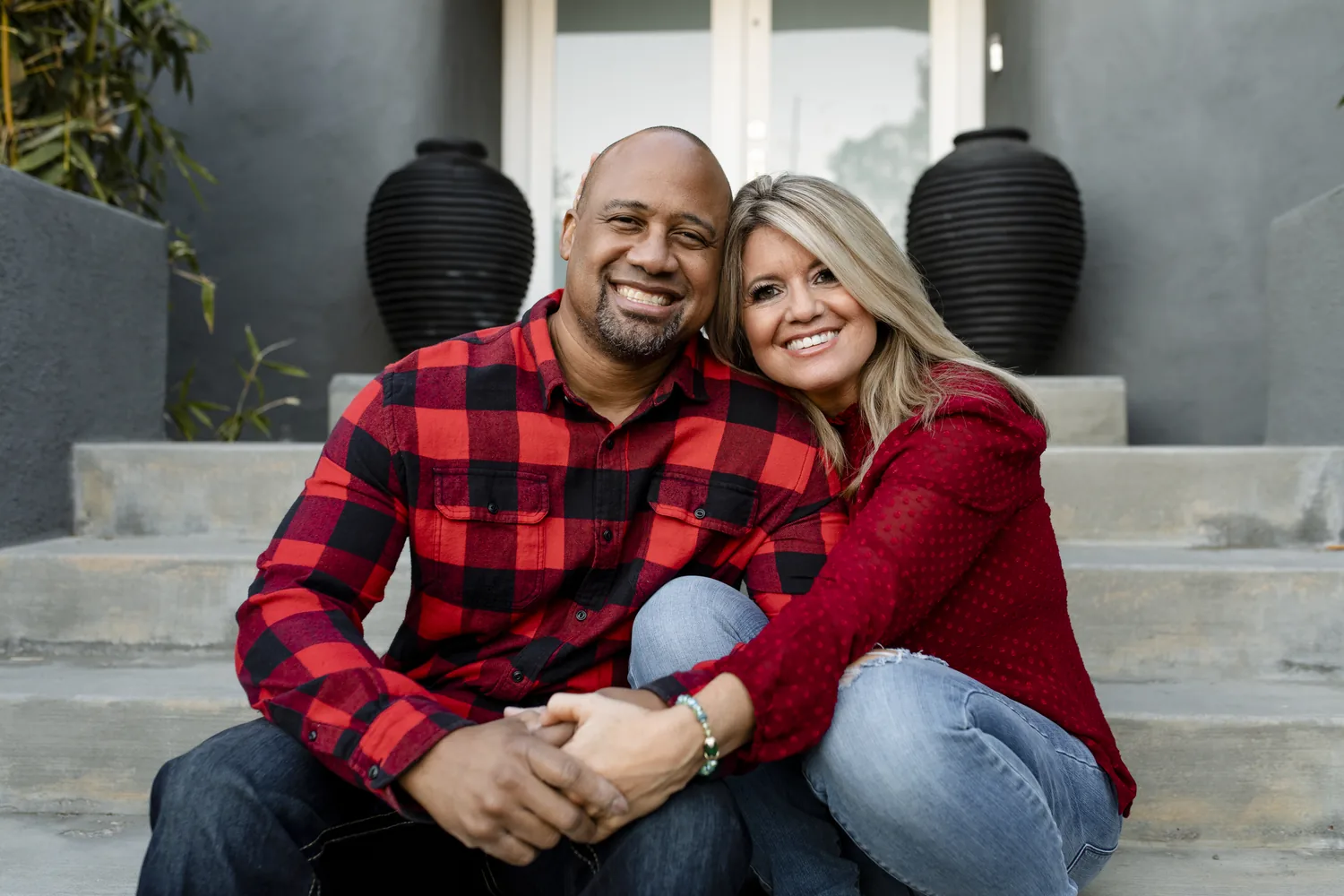
Herpes dating for commitment without marriage is about choosing a lasting partnership without treating a wedding as the required destination. You may want exclusivity, emotional closeness, shared plans, and dependable support while remaining unmarried. The relationship becomes clearer when you explain those positive commitments instead of leaving a potential partner to guess what “not interested in marriage” means.
Some adults have been married before. Others have never wanted marriage or prefer to keep legal and financial lives separate. Those preferences do not determine how deeply someone can care. They do, however, affect compatibility with a person who regards marriage as essential. A good connection needs both people to be able to choose the future that is actually being offered.
Describe the Commitment You Do Want
Name the promises that matter to you. You might want an exclusive romantic relationship, regular time together, joint decisions about major changes, or an expectation that you will work through ordinary difficulties rather than disappear. These are more useful descriptions than saying you want something serious but not too serious.
Be equally clear about what you are not offering. If you do not expect to marry, avoid phrases such as “not yet” when you mean “not part of my plan.” A partner may hear a temporary obstacle where you intend a lasting preference. Honest language can prevent years of waiting for a change that neither person has actually agreed to make.
Commitment is demonstrated in behavior over time. Notice whether both people follow through, include each other appropriately, and make room for a relationship in their lives. Refusing marriage is not proof of emotional independence, just as agreeing to marriage is not proof of dependable partnership.
Separate Marriage, Exclusivity, and a Shared Home
These decisions can be related without being identical. Two people may choose exclusivity while living apart, share a home without wanting marriage, or want marriage eventually while dating from separate households. Explain the combination that appeals to you rather than expecting one label to carry the entire meaning.
Exclusive dating addresses whether you are continuing to date other people. It does not settle a wedding plan. Living apart together addresses the choice of separate homes, not whether the relationship is temporary. Thinking about the choices separately lets you discover where your preferences match and where they differ.
For example, you may welcome joint holidays and family occasions but not a combined bank account. Another person may feel comfortable unmarried only if you share a home. Neither package should be treated as the obvious meaning of commitment. Put the actual expectations into words before making decisions that depend on them.
Raise a Non-Marriage Preference Before Expectations Harden
You do not need to announce a complete philosophy of marriage in the first message. You should mention a firm preference before a developing relationship relies on the assumption that marriage is a possible destination. A profile can state it briefly, and an early conversation can add context.
Try, “I would like a long-term partner, but I do not plan to marry. I am open to building a close, exclusive relationship.” This says something inviting while giving another adult information they may need. Avoid justifying the preference by dismissing everyone who wants marriage or recounting every painful event in a previous partnership.
Listen carefully to the response. “I understand” can mean acceptance, polite acknowledgment, or hope that affection will eventually change your view. Ask what the other person imagines for their own future. A conversation is more useful when it reveals their preference rather than simply establishing that they heard yours.
Make Daily Partnership Tangible
Discuss how an unmarried relationship would operate when life is ordinary. Who initiates plans? How are weekends and holidays handled? Would you want regular nights together? How do you balance the relationship with established friends, family responsibilities, or work? These details make an abstract intention feel like a relationship someone can actually picture.
You do not need a rigid agreement for every situation. You do need enough consistency that one person is not repeatedly wondering whether they belong. A partner can value independence and still communicate changes, make reliable plans, and recognize occasions that matter to the other person.
Pay attention to reciprocity. If one person does all the adapting because the other calls any request a threat to freedom, the issue may be unequal effort rather than a non-marriage preference. A sustainable partnership makes room for both people's lives and for the obligations they have freely chosen to each other.
You can also choose how to mark the relationship publicly. An anniversary meal, introducing someone as your partner, or including each other in future plans can carry meaning without implying a wedding. Ask which gestures matter to each person rather than borrowing symbols that one of you dislikes. A chosen milestone is useful when it expresses a shared commitment; it should not serve as a substitute for discussing a real difference about marriage.
Talk About Practical Protection Without Assuming Legal Rights
Unmarried partners should not assume that emotional commitment automatically creates the same legal position as marriage. Property, inheritance, medical decision-making, and financial responsibility can depend on local law and individual documents. Obtain qualified advice when making decisions that affect those matters.
Start by identifying the outcome you want rather than guessing the paperwork. Perhaps you want a partner to be contacted in an emergency, to have clarity about a shared purchase, or to understand what happens if you stop living together. Then ask an appropriate professional how that outcome can be addressed in your circumstances.
Keep financial participation explicit. A contribution to groceries is not the same as acquiring an interest in a home. Lending money is different from giving a gift. Discuss the distinction before resentment develops, and avoid using a financial gesture to prove commitment. Protecting both people's understanding can support affection rather than undermine it.
Respond When a Partner Wants Marriage
Treat the difference as a real compatibility question. Marriage may carry emotional, cultural, religious, or family significance for your partner that an unmarried partnership does not replace. For some marriage-minded herpes singles, marriage itself is part of the desired commitment, so a non-marriage preference represents a real difference. Your preference deserves respect, and so does theirs. The answer is not automatically that one of you needs to become more flexible.
Ask whether the difference is about a particular ceremony, legal status, public recognition, security, or the meaning of being chosen. Some concerns may have several possible answers. Others may reveal a firm preference that cannot be negotiated without one person losing something essential.
When the disagreement is already present, one partner wanting marriage and the other not explores the conversation in more depth. Avoid maintaining a relationship through vague promises to reconsider if you know your answer. A painful but honest decision may be kinder than an indefinite future that only one person believes is possible.
Meet Someone Who Shares the Relationship You Are Offering
Present yourself as a person with a positive relationship goal. Mention the companionship, romance, reliability, and shared experiences you would enjoy. Your preference about marriage is part of that invitation, not the only thing someone should learn about you.
In a herpes-aware community, shared understanding can make one conversation easier while leaving all the ordinary questions of compatibility open. Look for someone whose desired future fits yours, rather than assuming that a common diagnosis outweighs a major difference in relationship goals.
You can build a serious partnership without marriage when both adults understand the partnership, choose it freely, and contribute to it. Start by making that possibility clear. The right next step is a conversation with someone who wants to explore the kind of commitment you are actually ready to give.